
Measure and Accelerate: Evolving Performance Management - Presented by Connex and ADP
Your performance cycle is overloaded. Where is your business paying for it?
Join Connex Partners and ADP for a 60-minute peer-to-peer working session on improving your performance cycle without rebuilding it, when to use — and not use — AI, and how to make the change stick.
The Sessions
HR executives agree: Traditional performance management simply isn’t working. According to the Gartner® “Effectiveness of Performance Management at Achieving Its Primary Objective,” the percentage of HR Leaders selecting “Not Effective” was "82%"
The typical performance cycle is asked to carry ten jobs at once, including rating performance, setting pay, identifying successors, developing people, and retaining them. These elements cluster in two complementary but distinct workstreams: the measurement of performance that has already occurred, which depends on standardization and comparability, and the acceleration of performance that has not, which depends on frequency and candor.
Taking one’s temperature does not reduce a fever.
ADP / STANDOUT, ON WHY MEASUREMENT IS NOT ACCELERATION
How the Hour Works
Three movements inside sixty minutes, with a substantial share of the hour given to discussion rather than presentation.
FIRST • 25 MIN
Briefing
Performance management is ten jobs, segmented by purpose: Acceleration and Measurement.
WHAT HAPPENS
- How the ten jobs sort into measurement and acceleration
- Three live polls, answers shown live: which of the ten your process serves the least well, and where your own gap sits — measuring, or accelerating
- The evidence on ratings, conversation frequency, and strengths
- Reviews that read as though the model wrote them, the ADP-reviewed uses, and where ADP draws the line.
KEYNOTE & LIVE POLLS
THEN • 18 MIN
Breakout
You are assigned at random to a small breakout room with an ADP facilitator.
TWO PROMPTS, ONE TEMPLATE
- Which of the jobs your process carries you would pull out first and give its own mechanism
- What single element you would change in the next two quarters, and how you would know it worked
- Every room captures against the same template, so findings can be compared.
PEER DISCUSSION
LAST • 12 MIN
Synthesis
Rooms return and facilitators report what surfaced across the group.
WHAT COMES BACK
- How the group split between measuring and accelerating
- Which of the ten jobs was named starved most often
- The jobs the rooms could not agree a side for
- Constraints that came up in more than one room.
FULL ROOM
Breakout rooms are not recorded. Participants receive a deidentified synthesis of key insights.
Seven Questions This Session Helps You Answer
How many of the ten is your cycle carrying, and which one is starving?
Development is the classic example: one conversation a year, at review time. No one chose that. It is what happens when one process carries everything.Is your real gap measuring, or accelerating?
Does the annual merit increase read to employees as pay for performance?
What is a performance rating actually measuring?
How often should performance conversations happen?
Why are strengths the practical route to manager capacity?
Where does generative AI help here, and where does it hollow the process out?
The Performance Management Playbook 2026
Every attendee receives the Performance Management Playbook 2026, produced by Connex Partners with ADP. It is not a session recap. It is a dynamic roadmap for success, leveraging the best deidentified peer contributions and ADP's industry-leading, evidence-based research.
-
The ten-jobs framework written as an exercise you can run with your own leadership team, rather than only recall.
-
What this room found: the poll results, presented plainly.
-
What the rooms said, synthesized across every breakout, organizations unnamed.
-
Where the rooms disagreed — treated as a finding rather than as noise, and the part no other artifact this year will have.
It arrives about a week after the session, once the room's capture has been worked in.
Yours to circulate internally. Connex member sessions are confidential; the playbook attributes nothing to any individual or organization.
The Sessions
JULY 23, 2026
Session 1: Post - Application Tactics and CMMI Readiness
This session focuses on the decisions that come after CMS's initial application windows: how to turn new federal value-based payment models into practical operating choices the organization can execute, document, and get paid for.
- Where LEAD, ACCESS, AHEAD, and related model opportunities fit the organization's strategy and risk posture.
- How leaders are balancing payer strategy, clinical readiness, care management, documentation, analytics, and governance against available bandwidth.
- What to prioritize in the next 90 to 180 days as decision windows move into planning and execution.
SEPTEMBER 10, 2026
Session 2: Sustainability Through Population Health and Whole-Person Care
This session moves from near-term readiness to durability: how whole-person care priorities, including women's health, Food as Medicine, and dementia care through GUIDE, become measurable, fundable, and operationally sustainable.
- Population health embedded in care delivery and tied to outcomes the organization is paid to improve.
- Women's health, Food as Medicine, and GUIDE/ dementia care built around reimbursement pathways rather than unfunded program activity.
- Care teams, community partners, and technology designed to extend capacity without adding burden the organization cannot carry.
Common Questions
What is this session, and how is it different from a webinar?
A single 60-minute virtual working session, hosted by Connex Partners and led by ADP. Live polls run inside the briefing, then you move into a breakout room with an ADP facilitator and two prompts, and the session closes by reporting what the rooms found back to the full group. A meaningful share of the hour is you talking. It is not a conference track or a vendor presentation.Who should attend?
What is ADP’s role?
Do I need to prepare anything?
When and where is it?
About the Hosts
PRESENTED & HOSTED BY
Connex Partners is a curated executive membership community for senior HR and healthcare leaders, built on candid peer exchange, confidential intelligence, and the trust executives need to compare decisions honestly. The network connects leaders to peer insight, vetted solutions, and the conversations that move decisions forward. Connex is convening this session as an extension of that environment.
LED & FACILITATED BY
ADP studies the workforce at scale, combining data covering millions of workers with primary research on performance, engagement, and development. ADP Research is currently partnered with the Stanford Digital Economy Lab on unbundling jobs into discrete tasks and assigning value to each, so that granular shifts in responsibility can be measured as AI redistributes them. ADP is driving this conversation, facilitating every breakout room, and co-producing the playbook that follows.
Presented By
Connex Partners
Connex Partners is a curated executive membership community for senior healthcare and HR leaders, built on candid peer exchange, confidential intelligence, and the trust executives need to compare decisions honestly. Connex is presenting this series as an extension of that environment.Facilitated & Moderated By
SmartRise Health
SmartRise Health is a value-based care advisory firm that helps healthcare organizations translate population-health and whole-person-care strategy into operating and financial reality. SmartRise is moderating and facilitating the roundtable, bringing their unique expertise, perspective, and experience to bear on this critical conversation.LEADING THE SESSION
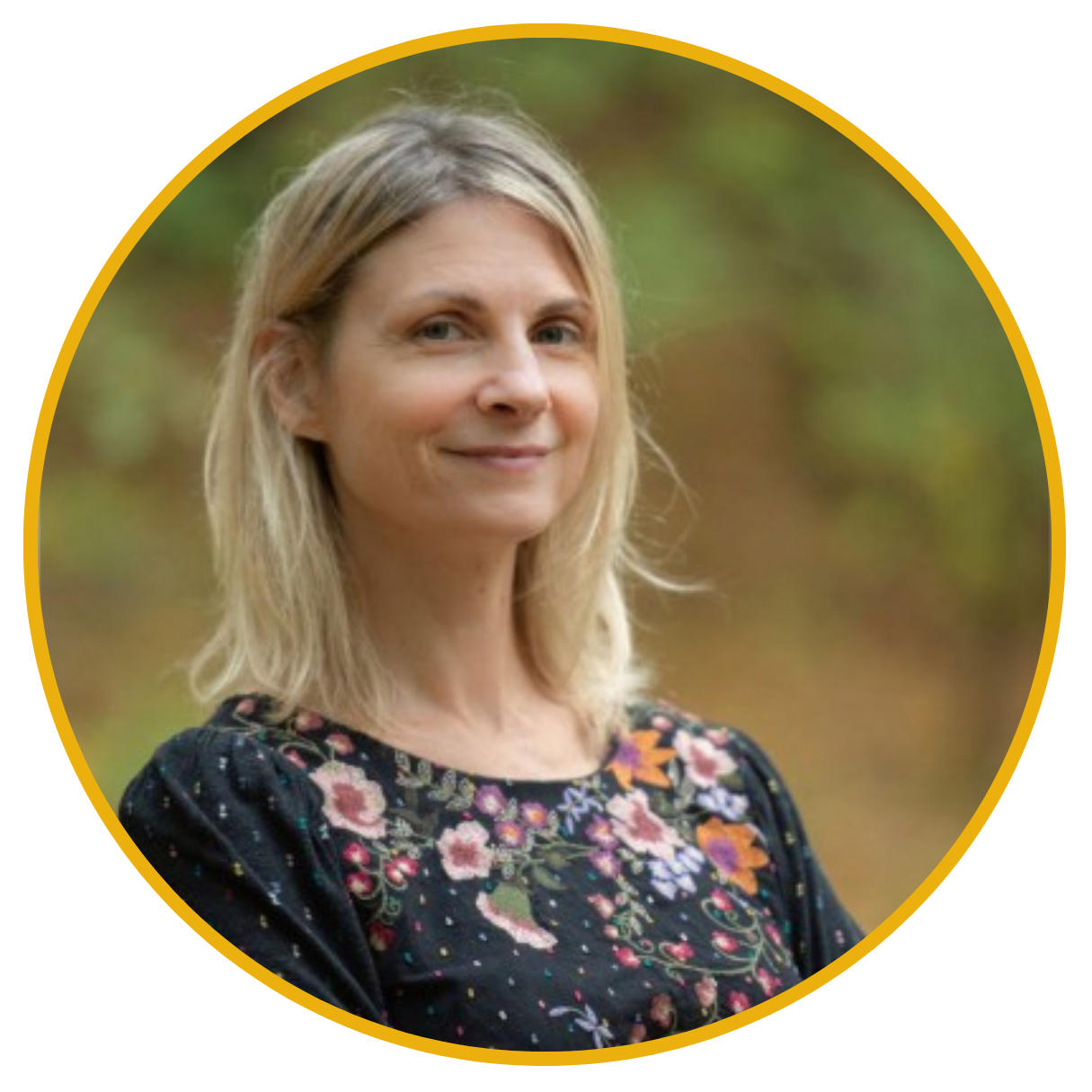
Amy heads leader development at ADP and has spent her career on what actually moves performance and engagement: strengths-based approaches, manager effectiveness, and career growth. She previously built ADP’s global leadership and career development framework, and has worked across Fortune 200 companies, startups, and nonprofits. Her briefing draws on ADP’s research, with client examples anonymized.
Reserve Your Place
Seats are limited, and the conversation is shaped around and by the leaders in the room.
